Managing psycho-social risks in a bus operating environment
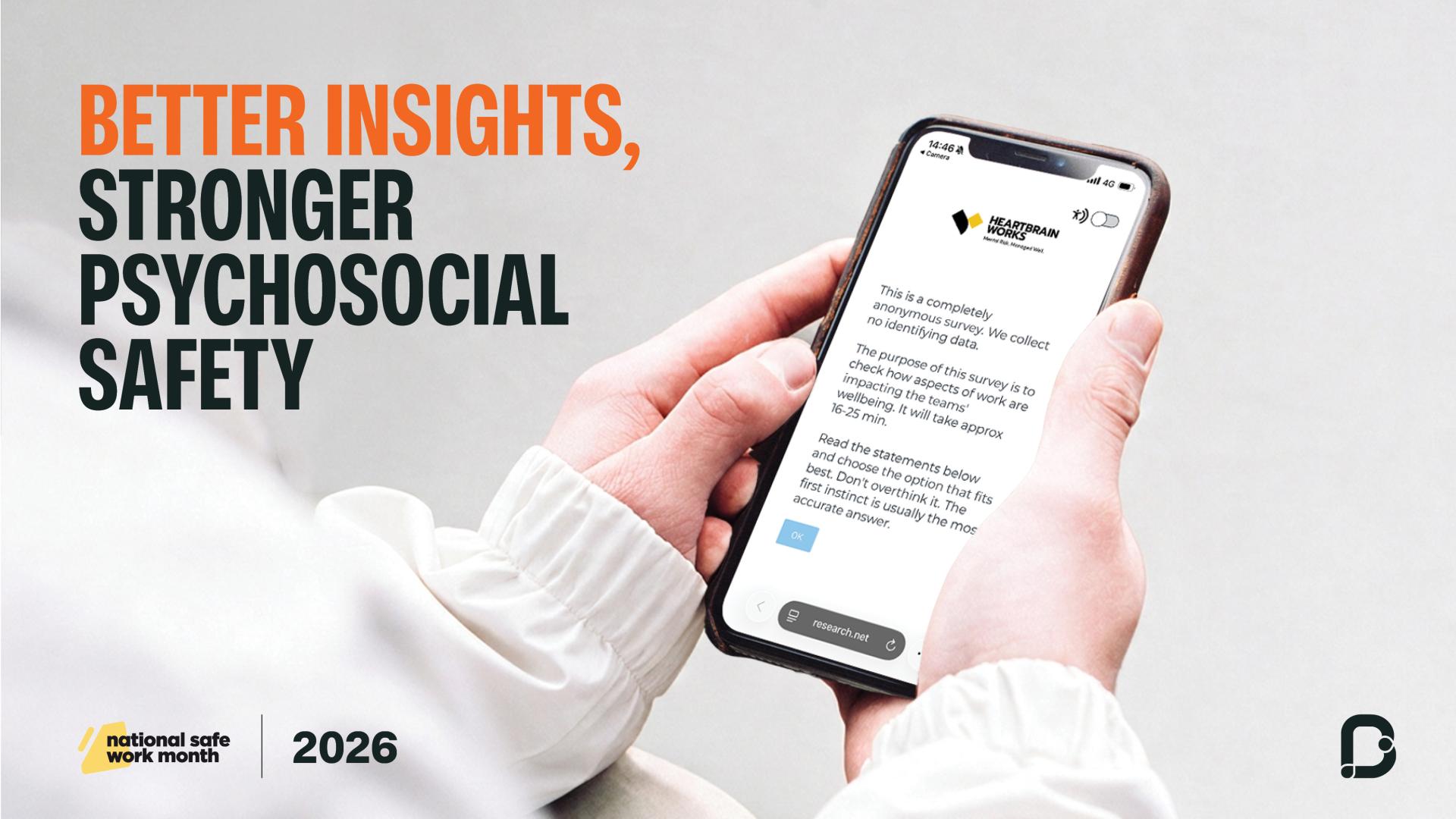
Understanding psychosocial pressures and how these are experienced by employees is helping Busways make practical workplace changes to support its people.
Over the past 18 months, Busways has strengthened its approach to psychosocial safety across depots, workshops and offices, focused on identifying sources of workplace stress, reducing risks and improving support for employees.
This article takes a look at the approach that earned Busways the 2026 BusNSW Safety Award and reflects the 2026 National Safe Work Month theme ‘Safe work is for life’ by protecting people from immediate harm while supporting health throughout their working lives.
Turning employee feedback into action
Busways’ independently run Inside Work psychosocial survey encouraged employees to share the demands they face and how supported they feel.
The first review in 2025 informed changes to communication, training, work planning and support. The goal is to address how work is organised and experienced, rather than placing responsibility on individuals to manage pressure alone.
Busways Safety Manager Joanne Edwards said the most valuable part was “bringing our health and safety representatives and leaders together to find practical solutions based on our people’s experience”.
“Some changes can happen quickly, while others take time. The important part is continuing to listen, adapt and follow through on what can improve people’s experience at work,” Ms Edwards explains.
Over 130 identified actions were identified to reduce psychosocial risks, such as sharing weekend standby duties more evenly, strengthening support for new drivers and improving supervisor assistance.
Better maintenance planning, clearer operational information and more opportunities to speak with leaders extend the work across the business. Together, these changes aim to reduce avoidable pressure and make help easier to access.
“Some risks arise from how work is organised,” Ms Edwards says. “Others involve situations a bus operator cannot fully control, including interactions on the road. In each case, understanding employees’ experiences helps Busways identify ways to reduce exposure and strengthen support.”
Providing guidance when it matters
Busways’ DriveSmart Program, empowering drivers on the road, complements this work by analysing driving patterns with incident and operational data to guide coaching and mentoring.
Analysis of drivers’ early months of independent driving has helped identify when additional guidance is most useful. This allows custom support to reflect each driver’s experience and stage of learning.
A trial of this enhanced approach recorded a 35.4% reduction in at-fault incidents and a 51.6% improvement in trainee driver safety scores in the participating region.
Listening and checking progress
Surveys are one part of the conversation. Busways’ safety team also visits depots, with informal SafeTea sessions giving employees opportunities to raise concerns and suggest improvements over a cuppa. These conversations help identify local risks and guide workplace changes.
In September 2026, employees were invited to repeat the Inside Work survey to help assess progress and identify where further action is needed.
Busways’ efforts on managing psychosocial safety were recognised with the 2026 BusNSW Safety Award.
Ms Edwards says it’s all about approaching safety from different perspectives, while fostering a focus on understanding risk and supporting employees.
“It’s about looking beyond whether someone knows how to do their job, and considering what helps people work safely over time,” Ms Edwards explains, adding it’s embedding into our business approach.
“We’re still learning, listening, implementing changes and checking their effect, with the goal of a safer, more supportive workplace for every employee.”